

Posted on

From Bulky to Defined: Mastering the Transition Phase in Fitness

Building muscle mass is a rewarding process—but once you’ve packed on the size, the next step is often the most mentally and physically demanding: transitioning into a cutting or shredding phase. The goal? Reveal the lean muscle you’ve built while maintaining strength and performance. This shift requires more than just eating less; it’s a calculated approach that demands training, nutrition, and mindset adjustments. Let’s break down how to navigate this critical phase of your fitness journey with clarity and control.

Rethink the Goal

When transitioning from a bulk to a cut, many people obsess over the number on the scale. But the real objective is improving body composition, not just dropping pounds. Cutting too aggressively or quickly can cause muscle loss, especially if your caloric deficit is too steep. Think of it less as a “diet” and more as a phase focused on refinement. Your goal is to sculpt the muscle you’ve worked hard to build—not erase it.

Dial in Your Macros With Precision

For those looking to apply effective shredding techniques for fitness goals, focusing on nutrient timing and clean, whole food sources can make a noticeable difference in both appearance and performance. However, shifting your nutrition plan during a cut isn’t just about slashing calories—it’s about recalibrating your macronutrient intake to support muscle retention while shedding fat. Protein should stay high to preserve lean tissue, while carbs and fats need to be adjusted based on energy output and training intensity.

Maintain Intensity in Your Workouts
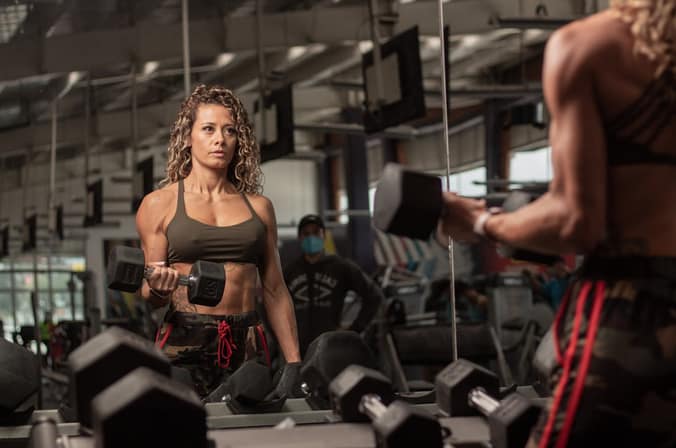
intense workout

One common mistake during a cut is backing off from lifting heavy. While your energy might dip slightly from fewer calories, your workouts shouldn’t turn into cardio-only sessions. Lifting with intensity not only helps preserve muscle but also signals your body to keep the lean mass it’s built. You might not hit personal records during this phase, but maintaining strength should still be a priority. Compound movements and progressive overload remain valuable tools—even while cutting.

Add Strategic Cardio, But Don’t Overdo It

Cardio plays a supporting role in the transition phase. It helps create a larger calorie deficit and promotes fat loss—but too much can become counterproductive, especially if it leads to muscle breakdown or burnout. Start with moderate-intensity cardio a few times a week and adjust based on your results. HIIT (high-intensity interval training) is also a useful tool when used in moderation. Balance is the key; use cardio to complement your weight training, not replace it.

Monitor Your Progress Beyond the Scale

muscle

Progress during a cut should be measured in multiple ways—not just weight. Take weekly photos, track body measurements, and pay attention to how your clothes fit. These indicators often reflect fat loss more accurately than the scale, especially when you’re retaining muscle. Consistency in tracking allows you to make smart adjustments over time and prevents discouragement when weight loss slows or stalls temporarily.

Manage Recovery and Stress

The combination of a caloric deficit and hard training can take a toll on your nervous system and recovery ability. Sleep, hydration, and active rest become even more important during this phase. Elevated stress hormones like cortisol can actually make fat loss more difficult and increase cravings. Incorporate stress-reducing practices—like light walks, mindfulness, or yoga—and make recovery as much a priority as your workouts.

The cutting phase is where all your previous effort comes to light—literally. It requires discipline, patience, and a thoughtful approach to both training and nutrition. Rather than rushing to drop weight, focus on sustainability and preserving your hard-earned muscle. With the right mindset and strategy, transitioning from bulky to defined can be one of the most rewarding stages of your fitness journey.…


Posted on

Healthy Ways to Deal With Stress and Anxiety

Tension is your body’s physical and psychological reaction to the needs of everyday life. According to https://www.menshealth.com/nutrition/a19522603/the-daily-habit-that-busts-stress/, consuming multi-vitamin pills can help with stress management. It grows as a learned reaction to external stress and is experienced in a lot of ways. Even though many men and women handle stress through meditation, exercise, and traveling, others might have difficulty coping and need support from a mental health specialist.man online shopping

Health Effects of Stress

Many men and women suffer from some amount of anxiety during their own lives. For a few, it may become a chronic condition and attest from the following manners: Insufficient interest in social activities, depression, anger, and anxiety. In those instances, consulting a doctor might become necessary.

Anxiety can become so acute that someone might resort to abusing medication to relieve chronic pain or be able to unwind. This is where a mental health professional can offer treatment and guidance to assist someone work through the problems that are causing the anxiety. Cognitive behavior therapy is a therapeutic system that motivates an individual to think otherwise in particular scenarios.

Stress Therapy

By substituting the negative comments patterns, the person may learn better-coping behaviors and lessen the effects of strain on their bodies and minds. Life events such as a death, a divorce, or a dire medical investigation will also induce anxiety. A seasoned mental health therapist will encourage somebody to discuss their ideas and feelings, making them feel understood and heard. This alone can considerably reduce anxiety symptoms. Whenever there’s a marital or family problem, counseling everyone together and allowing each individual to talk without interruption may enhance the communication in relationships and make them less stressful.

Anxiety Management Methods

In counseling, someone can lower their anxiety at home by using controlled breathing methods, sitting, or exercising in a warm bathroom. The individual may also refocus their ideas in a more favorable direction. Talking with a friend, working in a garden, meditating, and caring for your pet are different methods of having the mind occupied rather than worried. Nearly all individuals find a constructive outlet for their anxiety, but people that are struggling or perhaps sick should talk to a therapist to better their wellbeing.…

Posted on

The Surprising Health Benefits of Having a Dog

Pet dogs are funny, uplifting, and sometimes seem to understand us in a way no other human can. Studies have proven that animals in our lives offer us much more than companionship. If you consider adopting a dog, however, there are things that you must bear in mind. For instance, You need to know about canine hip dysplasia if you want to adopte a large breed dog. But beneficially, pets have healthy attributes. Specially trained dogs can even sniff out developing diseases and warn us away from foods we should not eat. This article will showcase some of the health benefits of having a pet dog on our side.

Way to Fitness

Dogs need walking. So perhaps it is not surprising that pet owners are physically very active. In the 2005 Michigan behavioral risk factor survey, dog walkers were 34% more likely to walk for at least 150 minutes a week and 69% more likely to exercise. This increased activity has benefits throughout the body. Assuming that you regularly hike with your dog and at a brisk pace, this can lower blood pressure, cholesterol and even lessen the risk of diabetes and coronary heart disease as much as high-intensity running can, according to a study conducted in Berkeley, California.

dog

Also, as dogs require regular exercise and encourage play, this keeps you active and moving, which can prove extremely beneficial to those who might have rheumatoid arthritis issues. Participating in regular exercise increases strength and flexibility, helps maintain bone strength, and keeps the joints loose.

Keeps the Body and Heart Healthy

Because puppies also need regular exercise and encouragement to play, they stay active and move around, which can benefit people who may have rheumatoid arthritis. Regular exercise increases strength and stamina, keeps bones strong and joints loose. For example, a large study involving nearly 6,000 people found that male pet owners lowered blood sugar (201 vs. 206 mg/dL) and cholesterol (108 vs. 125 mg/dL) compared to non-dog owners. Studies suggest that pets can help us recover from heart attacks.

Studies suggest that pet ownership can reduce a person’s heartbeat and increase the heart’s ability to respond to stressful conditions. In one study of 240 couples, half of whom had a puppy and the other half did not, pet owners needed a much smaller increase in heart rate and a faster recovery in response to stress. It was more rapid when the puppy was in the area together.

Prevents Sneezes

A recent evaluation of 470 children showed that growing up at home with dogs reduces the potential to develop allergies by 77%. It is believed to be related to this “hygiene theory” – the idea that germs carried by creatures support the immune system during its development so that your children are better able to resist allergens when they enter later in life. In the case of allergy, pets can help. Surprisingly, dogs can be trained to recognize foods that contain harmful contaminants.…

Posted on

Three Easy Ways to Have a Six-Pack for Beginners

Having a six-pack becomes a dream for many men. It becomes a standard for being cool and sexy in society. It might be the reason why men tend to do some exercise for having a six-pack. However, some men want to build their muscles to hit on some girls. Sometimes, being muscled is their obligation for work, such as a model or actor.

sixpack

First of all, it should be noted that specific abdominal training alone would not help you get the chiseled abs you want, because you also have to lose all the fat in your system to get a six-pack of abs. You can also take a combination of the perfect nutrition plan and exercise program to find great abs. Besides, you can do an abs exercise at the gym through the help of their equipment. It could be more helpful for getting the perfect shape. However, if you want to train yourself alone, you can follow these easy tips for your workout.

Deployment Barbell

Firstly, if you have barbells at your home, you can use it. Barbell helps to gain more weight that can raise your muscle mass. You can gently turn the bar forward until you reach and feel the contraction of your abdominal muscles. Each pair of this exercise should include ten repetitions. It would be best if you are consistent in doing this. Therefore, you can have a good result at a certain time.

Abdominal Scissors

For the second step, you can prepare a mattress or workout mat as your base. If you don’t have it, it’s ok to lie on the floor. Then, you can start by lying on the floor and looking up. You have to keep your feet straight and palms of your hands on your head. Lift your legs and palms together and move them as far away as possible. After that, put your legs and arms in a cross position like scissors.

Hanging Leg Raise hanging leg raise

It is perhaps the most difficult and most useful abdominal exercise that beginners may find difficult. For this step, you need to put the legs together and try not to bend the spine. After that, you must hold this position in a horizontal view. Next, when the legs reach your head, leisurely move the thighs to their starting point. However, you can also bend on your knees toward the chest if you find it difficult.

The above exercises effectively increase your abdominal muscles but remember that you also need an excellent diet and a fat loss plan to get great abdominal muscles. You can read and learn other tips and steps to get a six-pack on the internet. Also, you can watch some videos on Youtube about abs workout routines.…